8 Oct 2026
Tracing Player Pathways from Free Demo Sessions to Real-Money Live Roulette and Poker on Quebec Mobile Platforms
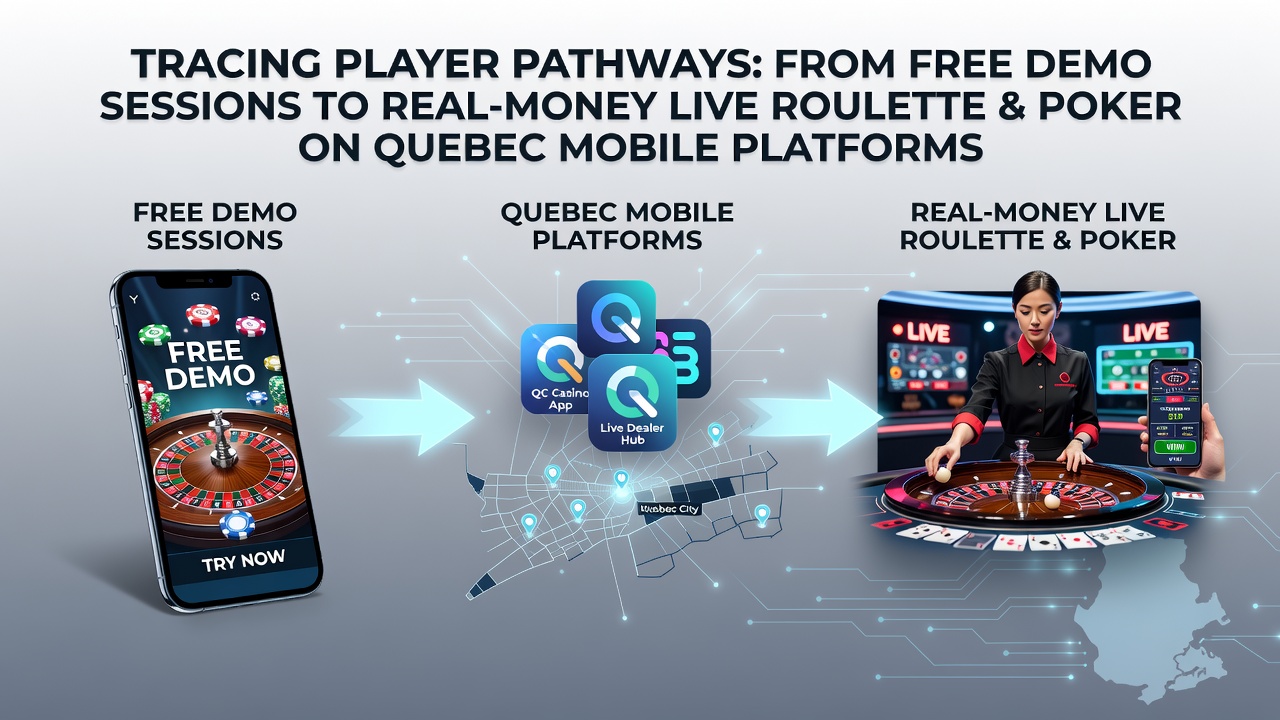
Player pathways on Quebec mobile platforms begin with free demo sessions that allow individuals to explore roulette and poker mechanics without financial commitment, and these initial interactions often lead users toward real-money live dealer options through structured registration and deposit processes. Data from mobile analytics providers shows that many Quebec residents start on apps operated under Loto-Québec oversight, where demo modes replicate the same interface and rules found in paid live games.
Initial Engagement Through Demo Modes
Free demo sessions on Quebec mobile platforms present roulette wheels and poker tables in formats that mirror live dealer environments, and users can spin virtual wheels or place practice bets while learning betting patterns and game flow. Observers note that these demos typically require only an account creation step, after which players gain immediate access on smartphones or tablets without depositing funds first.
Research from Canadian gaming studies indicates that demo participation rates rise during evening hours when mobile data usage peaks, and participants frequently spend between fifteen and forty-five minutes per session testing different table limits. Those who've tracked user behavior report that demo play serves as an entry point that familiarizes individuals with touch-screen controls and live chat features before any real-money transition occurs.
Moving from Practice to Paid Live Games
Once users decide to advance, the pathway involves verification steps required by Quebec regulations, followed by selection of deposit methods that integrate directly with the same mobile app used for demos. Live roulette and poker sessions become available after funds clear, with dealers appearing via video streams that maintain the same visual layout encountered during practice rounds.
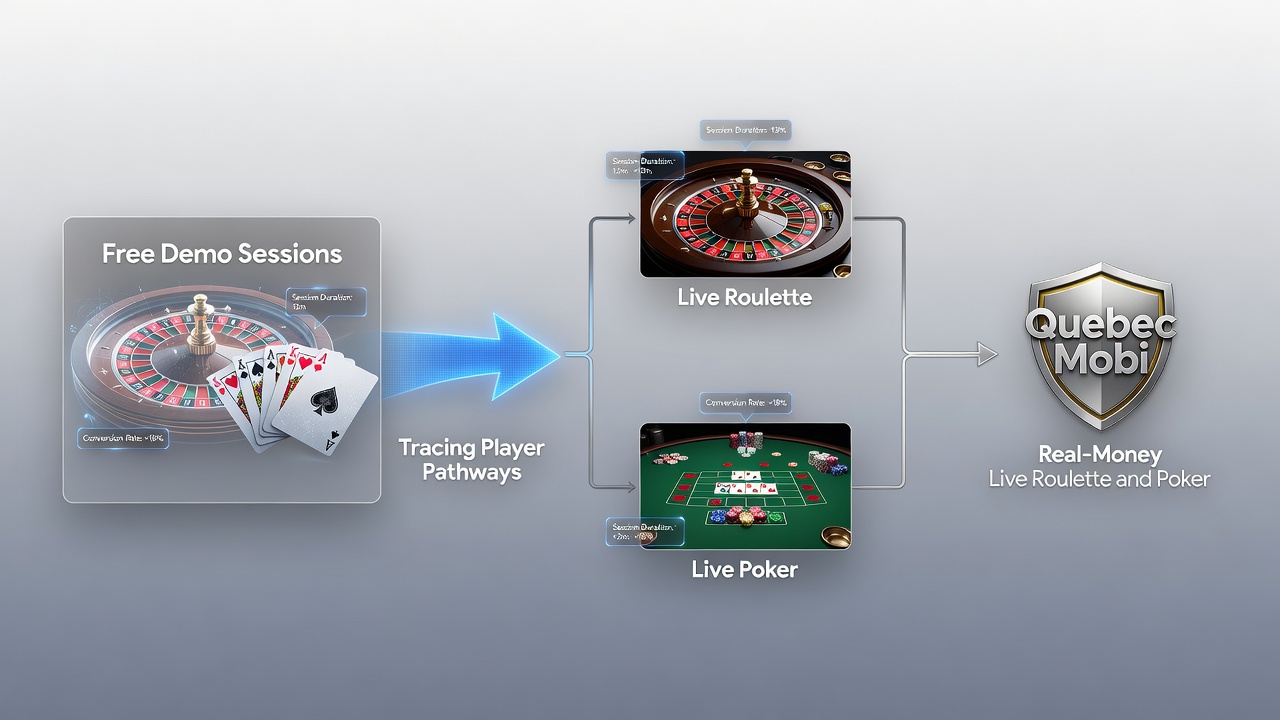
Figures reveal that conversion from demo to real-money play often happens within the first week for a notable portion of users, and mobile platforms streamline this shift by keeping game history and preferred settings intact across both modes. Experts have observed that live poker rooms on these platforms use the same seating interfaces introduced in demos, which reduces the learning curve when stakes become real.
Regulatory Context and Platform Requirements
Quebec's gaming framework requires that all real-money transitions occur through licensed operators, and mobile apps must display clear distinctions between demo and paid sections to comply with provincial rules. According to data released by the Canadian Consumer Information Gateway, mobile transaction volumes for live dealer games increased steadily through 2025, with further platform adjustments noted ahead of October 2026 updates to digital verification standards.
People who've examined platform logs find that users who complete identity checks during the demo phase encounter fewer interruptions when moving to live roulette or poker tables. This sequence keeps the pathway contained within the same application rather than redirecting individuals to separate websites.
Patterns Observed in Live Roulette and Poker Transitions
Live roulette pathways on Quebec mobile platforms frequently involve players selecting European or American variants after trying both in demo form, and the transition preserves wheel speed and betting chip animations that users already recognize. Poker transitions follow similar lines, with Texas Hold'em tables carrying over the same hand-ranking aids and timer displays from practice sessions.
Studies conducted by the Responsible Gambling Council indicate that mobile users in regulated Canadian markets tend to begin with lower-limit live tables after demo exposure, and session lengths extend when the interface remains consistent. Those who've analyzed engagement metrics note that October 2026 projections point to expanded 5G coverage supporting smoother live video streams, which may further shorten the time between demo experimentation and real-money entry.
Conclusion
Pathways from free demo sessions to real-money live roulette and poker on Quebec mobile platforms follow a sequence of account setup, practice play, verification, and deposit that keeps users within the same regulated applications. Data shows these steps align with provincial requirements while maintaining continuity in game presentation, and upcoming platform refinements scheduled around October 2026 aim to support continued growth in mobile live dealer participation.