22 Oct 2026
Navigating Reward Structures and Secure Transaction Pathways in Portable Gaming Environments for Table Games and Chance-Based Formats
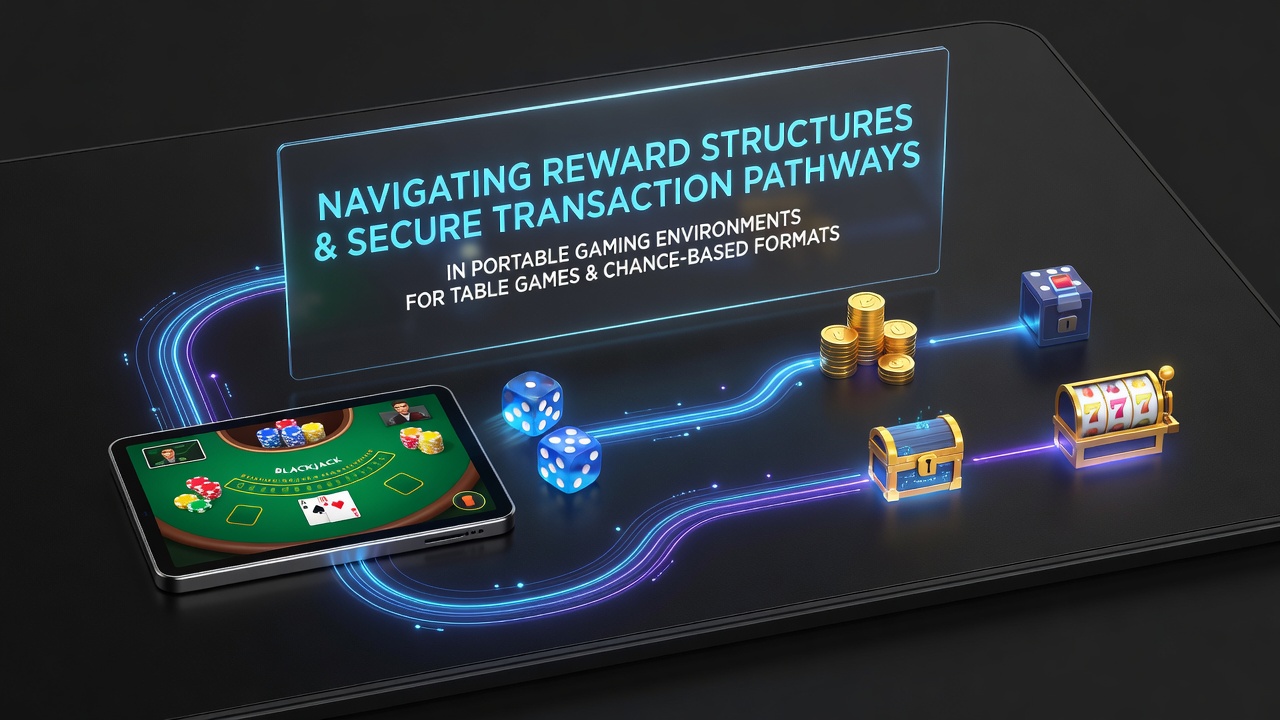
Portable gaming environments have expanded to include detailed reward structures that track player activity across blackjack, roulette, baccarat and slot formats while routing transactions through encrypted mobile pathways. Operators integrate loyalty programs that award points based on wager volume and game type, then convert those points into credits or merchandise through automated systems that update in real time on smartphones and tablets. Data from industry reports show these layered programs often segment users into bronze, silver and gold tiers, each unlocking different multipliers on table game contributions compared with chance-based formats.
Layered Reward Mechanics Across Game Categories
Table game rewards frequently emphasize skill elements such as strategy tracking in blackjack or pattern recognition in poker variants, whereas chance-based formats rely more on volume-based accumulation. Research indicates that platforms adjust point accrual rates seasonally, with October 2026 schedules already published by several operators to align with regulatory reporting cycles in North American and European markets. Those who study player behavior note that progressive jackpots tied to mobile slots sometimes feed into shared reward pools that also credit live dealer sessions, creating crossover incentives without altering core game mathematics.
Secure transaction pathways rely on tokenization standards that replace card details with unique identifiers before data leaves the device. Payment gateways certified under PCI DSS Level 1 standards handle deposits and withdrawals for e-wallets, bank transfers and prepaid vouchers, while certain jurisdictions permit regulated cryptocurrency rails that settle within minutes rather than hours. Observers note that biometric authentication layers, including fingerprint and facial recognition, now precede every withdrawal request above set thresholds, reducing friction while maintaining audit trails required by licensing bodies.
Regional Regulatory Frameworks Shaping Mobile Pathways
Canadian provincial regulators require operators to maintain separate ledgers for reward liabilities and actual cash balances, ensuring that promotional credits cannot be withdrawn until wagering conditions clear. In contrast, several Australian state frameworks emphasize real-time reporting of transaction velocity to detect anomalous patterns linked to bonus abuse. Figures released by the National Indian Gaming Commission reveal that tribal gaming operations in the United States processed over 40 percent of table game mobile volume through secure in-app pathways during the most recent fiscal quarter, underscoring the shift away from browser-based sessions.
Technical Safeguards and Player Verification Protocols
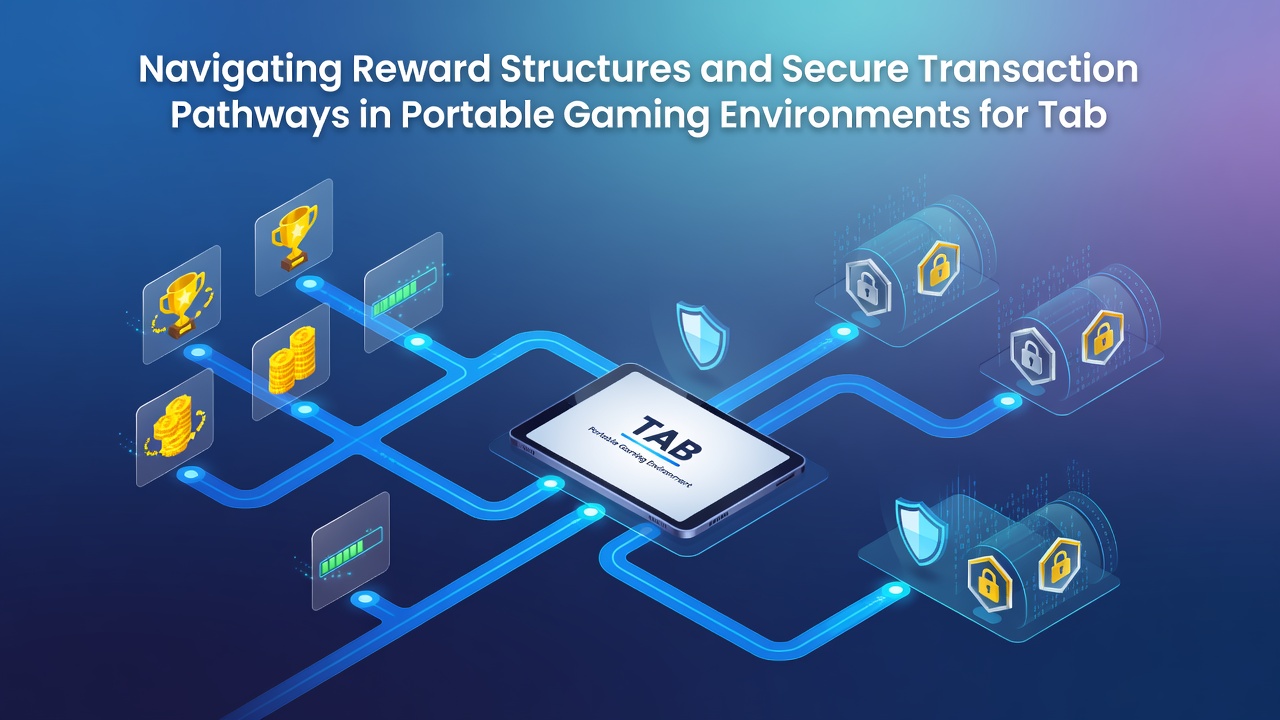
Multi-factor verification combines device fingerprinting with one-time passcodes sent through carrier networks, while geolocation checks confirm users remain within approved jurisdictions before reward redemptions process. Studies conducted by the UNLV International Gaming Institute demonstrate that platforms employing continuous session monitoring detect and flag potential account sharing faster than legacy systems that relied solely on login credentials. Those verification steps integrate directly with reward engines so that tier status updates only after identity confirmation completes, preventing unauthorized point transfers.
Encryption protocols such as TLS 1.3 protect data in transit between mobile applications and backend servers, while hardware security modules store private keys used to sign each transaction record. Operators that adopt open banking standards allow players to link accounts directly, bypassing traditional card networks and thereby shortening settlement windows for both deposits and approved withdrawals. The reality is that these technical layers operate simultaneously with responsible gaming tools that let users set deposit limits and cooling-off periods directly from the same mobile interface.
Future Developments Expected by Late 2026
Upcoming changes scheduled for October 2026 include updated interoperability requirements between provincial systems in Canada that will permit reward balances to transfer across licensed operators under strict data-sharing agreements. Parallel initiatives in the European Union focus on standardizing digital wallet identifiers so that transaction histories remain portable when players relocate between member states. Industry associations continue to publish guidance documents that outline best practices for integrating artificial intelligence into fraud detection without compromising player privacy commitments.
Conclusion
Portable environments continue to refine the balance between engaging reward structures and robust transaction security for table games alongside chance-based formats. Regulatory updates, technical standards and verification protocols collectively shape how players accumulate and redeem benefits while maintaining compliance across jurisdictions. Those who monitor these systems report steady evolution rather than abrupt shifts, driven by coordinated efforts among operators, technology providers and oversight agencies.