19 Nov 2026
Connections Between Trial Modes and Electronic Transfer Options Across Wheel Games, Card Tables, and Community Formats in Regulated Mobile Settings
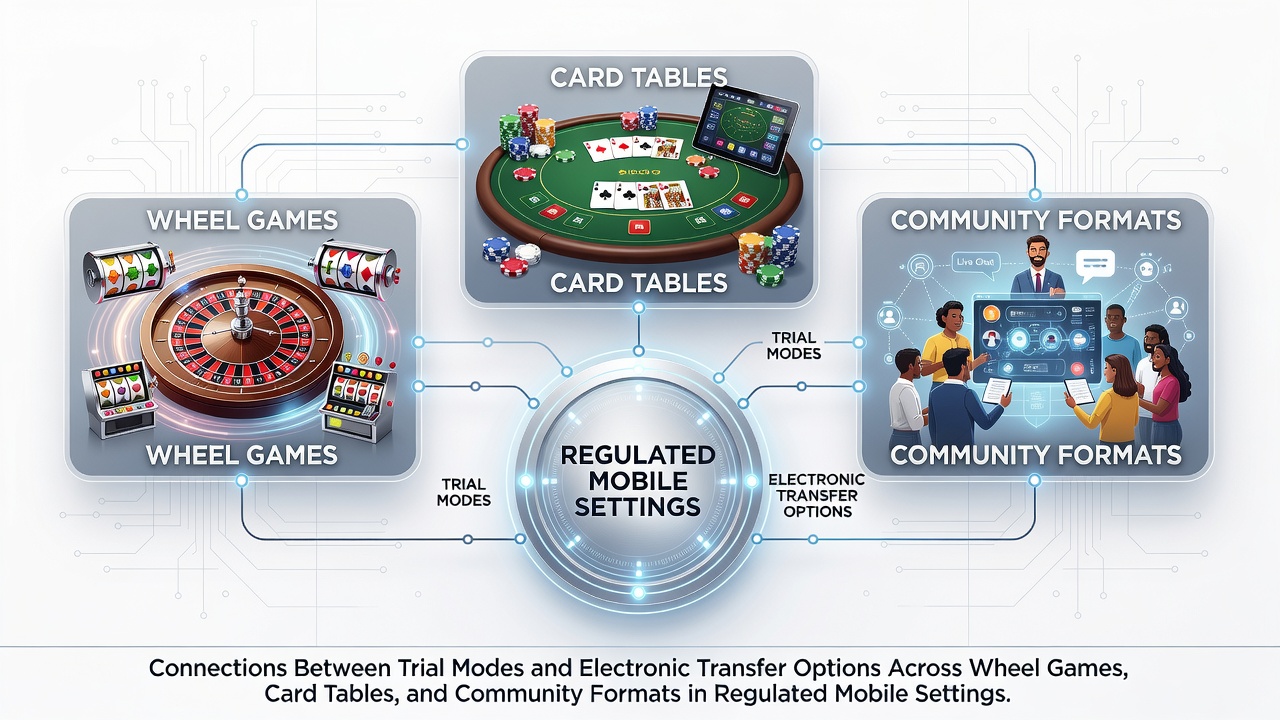
Regulated mobile gaming platforms link trial modes with electronic transfer systems in wheel games such as roulette, card tables including blackjack and poker, plus community formats like bingo, and these connections shape how users move from free practice sessions to funded play across devices. Data from government reports indicate that operators in markets like Quebec integrate demo features directly with payment gateways so that players who complete trial rounds can activate deposits without leaving the application interface, and this setup relies on secure APIs that handle both simulated bets and real transactions through the same backend infrastructure.
Trial Modes as Entry Points in Mobile Environments
Operators configure trial modes to mirror real-game mechanics in wheel games, card tables, and community formats, which allows users to test rules, interface elements, and payout structures before committing funds, while electronic transfer options remain available in the same menu structures. Researchers at institutions such as the University of Nevada, Reno have documented how these integrated systems reduce friction during the shift from practice to paid sessions, because the same account credentials that track demo performance also authorize bank transfers or digital wallet connections once a player decides to proceed.
Electronic Transfers and Their Role in Regulated Markets
Electronic transfer methods in regulated mobile settings include bank transfers, e-wallets, and prepaid card options that comply with regional licensing requirements, and these systems connect to trial mode data so that operators can offer personalized deposit prompts based on a user's simulated activity history. Figures from the Régie des alcools, des courses et des jeux reveal steady growth in mobile transaction volumes through 2025, with many platforms reporting that players who engage in extended trial sessions show higher rates of subsequent electronic deposits compared with those who skip the demo phase entirely.
Patterns Across Game Categories
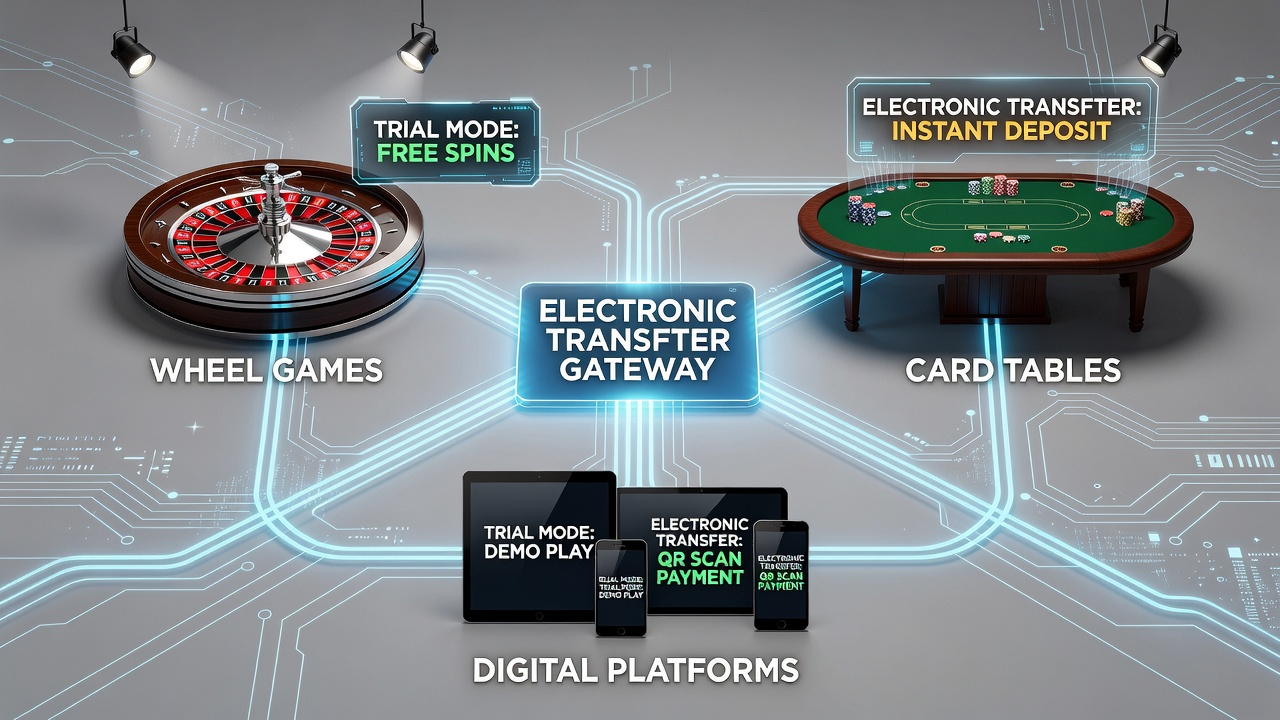
Wheel games on mobile platforms often feature trial modes that simulate spinning mechanics and bet placement, after which the interface displays electronic transfer buttons that prefill amounts drawn from the player's practice results, whereas card tables extend this pattern by allowing users to review hand histories from free sessions before linking payment methods for real stakes. Community formats such as bingo rooms follow a similar flow, with trial modes demonstrating number-calling sequences and then routing participants toward deposit screens that support instant transfers via approved regional processors. Observers note that these connections appear most frequently in jurisdictions where licensing bodies require clear separation between practice and paid environments yet still permit seamless account transitions once verification steps complete.
Regulatory Influences on System Design
Regulatory frameworks in Canada and parts of the European Union require operators to maintain audit trails that link trial mode activity with subsequent financial transfers, and this obligation leads developers to embed tracking codes that record both free spins or hands and the first funded transaction. As updates scheduled for November 2026 come into effect in select provinces, new standards will expand requirements for real-time verification during these transitions, which means mobile apps must process identity checks and payment authorizations within the same workflow that follows a completed trial session. Industry associations such as the European Gaming and Betting Association have published guidelines that encourage consistent interface design across wheel, card, and community titles so users encounter familiar payment prompts regardless of the game format they practice first.
Technical Integration and User Pathways
Backend systems connect trial mode servers with payment processors through encrypted channels that carry session identifiers from practice play into deposit authorization requests, and this architecture supports features such as one-tap transfers after a user exits a demo table. Those who have examined transaction logs from regulated Quebec platforms report that the average time between ending a trial session and completing an electronic deposit ranges from under one minute to several hours, depending on the verification level required by the operator's compliance protocols. Mobile applications in these markets also incorporate session handoff features that preserve game state data, allowing a player who practices roulette spins to resume at the same bet level once funds transfer through an approved e-wallet.
Conclusion
Connections between trial modes and electronic transfer options continue to evolve within regulated mobile gaming environments that cover wheel games, card tables, and community formats, and these links rest on technical, regulatory, and operational alignments that facilitate controlled movement from practice to funded play. Data gathered across multiple jurisdictions show consistent patterns in how operators structure these pathways, while upcoming changes in November 2026 will likely refine verification steps without altering the core integration model. Continued monitoring by licensing authorities and research groups will track how these systems perform as mobile adoption rates increase.